Last updated: March 2026
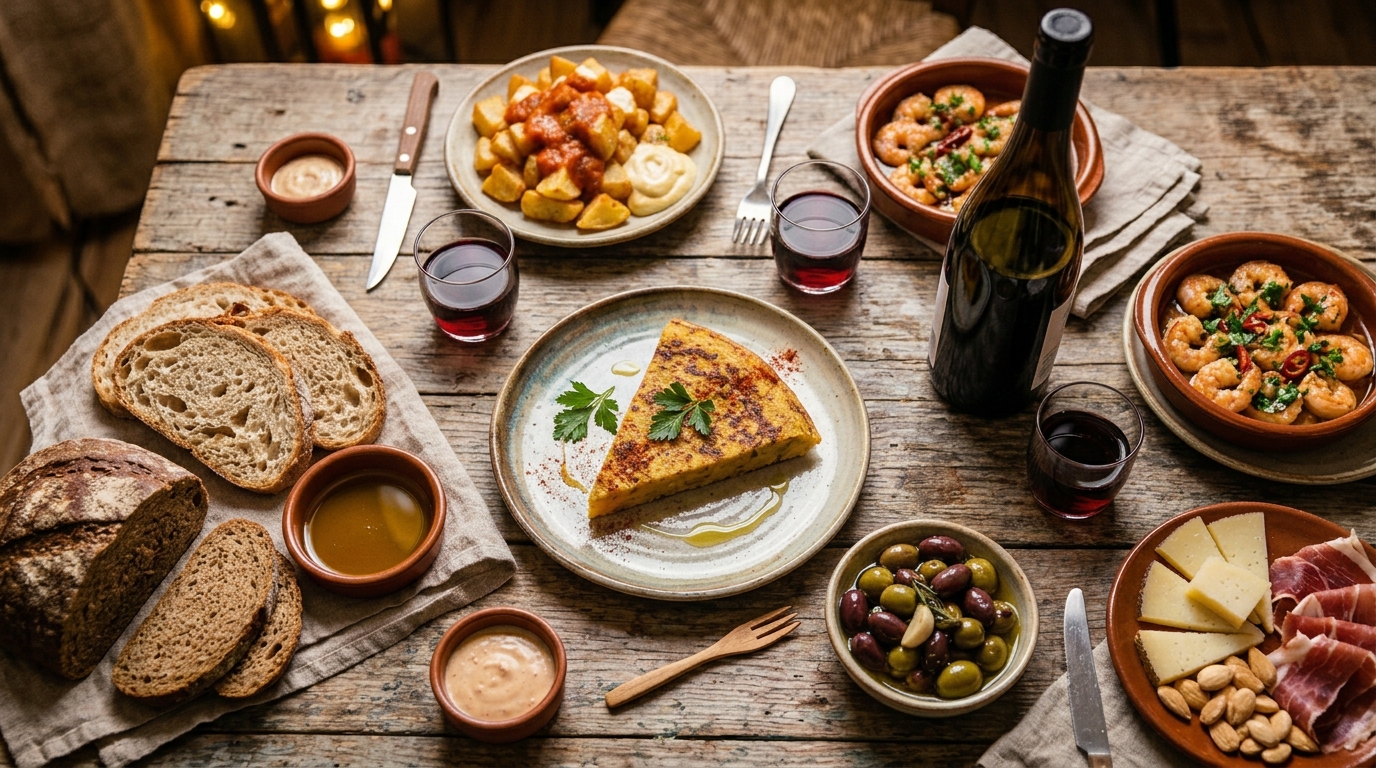
- Calentita is Gibraltar's national dish, a chickpea flour flatbread baked until golden
- The annual Calentita Festival is the best way to try traditional Gibraltarian food in one place
- Gibraltar's food scene blends British, Genoese, Spanish and Moroccan influences
- The Main Street area and Ocean Village are the two main eating hubs
- Street food, tapas, fish and chips, and fine dining all sit within walking distance of each other
What Is Traditional Gibraltar Food?
Gibraltar does not have a massive repertoire of local dishes. Let's be honest about that. This is a territory of 37,936 people squeezed into 6.7 square kilometres. But what it does have is genuinely unique, shaped by centuries of migration from Genoa, Spain, Morocco, Malta and Britain.
The result is a food culture that borrows from all of these places but has created a handful of dishes you will not find anywhere else in the world.
What Are the Must-Try Local Dishes?
Calentita
Calentita is the closest thing Gibraltar has to a national dish. It is a baked flatbread made from chickpea flour, water, olive oil and seasoning. The batter is poured into a large round pan and baked in a hot oven until it forms a golden crust on top with a soft, custardy interior.
The dish has Genoese roots. Ligurian immigrants brought it to Gibraltar in the 18th and 19th centuries. It is almost identical to the Niçoise socca and the Ligurian farinata. But in Gibraltar, it has become something distinctly local. Families have their own recipes. Bakeries guard their methods. It is simple food, but it means something here.
You can find calentita at local bakeries and at the annual Calentita Festival (more on that below). It is best eaten hot, straight from the oven, with a bit of pepper on top.
Rosto
Rosto is a slow-cooked pasta dish that traces its roots back to Genoa. It is essentially a rich meat sauce, usually made with beef or pork, slow-braised in tomato, onion, garlic and red wine, then served over spaghetti or penne. Think of it as Gibraltar's answer to a Bolognese, but heavier, darker, and cooked for longer.
It is a Sunday dish in many Gibraltarian households. Not something you will see on restaurant menus often, but ask a local about their grandmother's rosto and you will get a 20-minute story.
Fideos al Horno
Fideos al horno is a baked pasta dish influenced by both Spanish and Genoese cooking. Thin noodles are baked in a tomato-based sauce with whatever protein is on hand, often chicken or pork. It is comfort food, served at home more than in restaurants.
Panissa
Another chickpea flour dish, panissa is fried rather than baked. The chickpea batter is set into a firm block, cut into pieces, and deep-fried until crisp on the outside. It is basically the fried cousin of calentita and makes excellent street food.
Torta de Acelga
A Swiss chard pie with a pastry crust. It sounds simple, and it is, but it is a staple in Gibraltarian home cooking. Some versions add spinach or onion. It is one of those dishes that every family makes slightly differently.
Roller
Roller (also spelled "roya") is a bread roll unique to Gibraltar. It has a soft, slightly sweet dough and a distinctive shape. You will see them in local bakeries. They are eaten plain, with butter, or stuffed with ham and cheese for a quick lunch.
What About the Calentita Festival?
The Calentita Festival is the single best opportunity to try traditional Gibraltarian food. It is an annual cultural event that celebrates the territory's heritage through food, music and community.
Gibraltar has its own stall at the event, and honestly, you tend to never miss it. It is always busy, always has a queue, and always has calentita coming out of the oven. But it is not just calentita. You will find rosto, panissa, torta de acelga and other homemade dishes that locals have prepared for the event.
The festival is a reminder that Gibraltar does have its own food identity, even if the day-to-day restaurant scene leans heavily on British and Spanish influences. If you are visiting Gibraltar and the Calentita Festival happens to fall during your trip, do not miss it.
Check local event listings or the Gibraltar culture guide for dates and details.
Where Are the Best Markets for Food?
Open-Air Market at Grand Casemates Square
Grand Casemates Square hosts periodic open-air markets where local vendors sell fresh produce, baked goods, artisan products and street food. The square is at the northern end of Main Street, right as you enter from the border area.
Market days vary, so check locally before planning around it. When it is running, it is a great spot to grab fresh bread, local cheeses and snacks.
The ICC (International Commercial Centre)
For everyday grocery shopping, the ICC on Main Street has a food hall with fresh fruit, vegetables, meats and fish. It is not glamorous but it is where locals shop. You will find ingredients here that reflect the multicultural nature of Gibraltar's food scene, from Spanish jamón to Moroccan spices to British baked beans.
Morrison's and Eroski
Gibraltar has a Morrison's supermarket (yes, the British chain) plus a couple of smaller stores. If you are self-catering or stocking up for a boat trip, these are your options on the Rock.
For a wider selection and lower prices, many Gibraltar residents cross into La Linea to shop at Spanish supermarkets like Mercadona or Eroski. With the border restrictions easing in 2026, this is easier than ever.
Where Should You Eat in Gibraltar?
Main Street and Casemates Square
The highest concentration of restaurants is along Main Street and in Grand Casemates Square. Casemates has a string of restaurants with outdoor seating. You will find everything from pub grub and fish and chips to Indian, Italian and Mediterranean food.
It is the most touristy area but also the most convenient if you are on a day trip. Prices are reasonable by British standards but higher than you would pay in La Linea across the border.
Ocean Village
Ocean Village is the marina development on the east side of Gibraltar. It has a cluster of restaurants overlooking the yachts. The vibe is more upscale than Casemates. Expect Mediterranean seafood, sushi, steakhouses and cocktail bars.
It is a good evening spot. The sunset views across the harbour are hard to beat.
Queensway Quay
Another marina area, Queensway Quay is slightly quieter than Ocean Village. It has a handful of restaurants with waterfront seating. The food leans Mediterranean and Spanish. It is popular with locals for a more relaxed meal away from the tourist centre.
Catalan Bay
Catalan Bay is a small fishing village on the east side of the Rock with a sandy beach and a couple of restaurants. If you want fresh fish in a laid-back setting, this is where to go. The village has Genoese roots and a character completely different from the rest of Gibraltar.
Jury's Cafe and The Star Bar
For a proper local experience, look for the smaller cafes and bars where Gibraltarians actually eat. Jury's Cafe on Main Street has been serving affordable breakfasts and lunches for decades. The Star Bar in Parliament Lane is one of the oldest pubs in Gibraltar and serves hearty, no-nonsense food.
These are the places where you will overhear locals arguing in Llanito (the local dialect that mixes English, Spanish and bits of everything else) while eating a roller with ham.
What Is the Food Like Compared to Spain?
Gibraltar food is more expensive than Spain and the portions tend to be smaller. If you are on a budget, eating in La Linea de la Concepcion (the Spanish town right across the border) will stretch your money further. A full tapas meal with drinks in La Linea can cost €15-20 per person. The same meal in Gibraltar would be closer to £25-30.
That said, Gibraltar has something La Linea does not: the fusion element. You can have a full English breakfast, walk 200 metres and eat Moroccan tagine, then finish with Genoese pastries. That mix exists because of Gibraltar's history as a garrison town and trading port where cultures collided and stayed.
For more on the cultural side of this, check out our guide to Gibraltar culture and traditions.
Is the Water Safe to Drink?
Yes. Gibraltar's tap water is desalinated seawater and perfectly safe to drink. It tastes slightly different from what you might be used to, so many people buy bottled water, but there is no safety concern.
Any Food Tips for Visitors?
- Try calentita at least once. It is the one dish that is genuinely Gibraltarian.
- Eat early or late. Gibraltar follows a mix of British and Spanish meal times. Lunch can be anywhere from 12pm to 3pm, dinner from 7pm to 10pm.
- Check the Calentita Festival dates. If you are visiting and it is on, make it a priority.
- Cross to La Linea for tapas. The restaurants along Calle Real and near the border offer excellent value. With the border changes in 2026, walking across takes two minutes.
- Bring cash and card. Most places accept card but some smaller cafes and market stalls are cash only. Gibraltar uses the Gibraltar Pound (same value as GBP), and most places accept British pounds too.
- Book for Ocean Village restaurants on weekend evenings. They fill up.
Frequently Asked Questions
What is the national dish of Gibraltar?
Calentita, a baked chickpea flour flatbread with Genoese origins. It is the most distinctly Gibraltarian dish and is celebrated at the annual Calentita Festival.
Is food expensive in Gibraltar?
Food in Gibraltar is comparable to UK prices. A meal at a mid-range restaurant costs around £15-25 per person. For cheaper options, cross the border to La Linea where a full tapas meal costs €15-20.
What language do you order in?
English. Gibraltar is a British Overseas Territory and English is the official language. Most restaurant staff also speak Spanish.
Can you drink the tap water?
Yes. Gibraltar's tap water is desalinated and safe. It has a slightly different taste to mainland water but is perfectly fine to drink.
Where is the best place for fish and chips?
Casemates Square has several options. For something more local, try the smaller takeaway shops on Main Street or near the Piazza.
Is there vegetarian food in Gibraltar?
Yes. Calentita, panissa and torta de acelga are all vegetarian. Most restaurants offer vegetarian options, and the Indian restaurants on Main Street have extensive vegetarian menus.
Written by Ethan Roworth