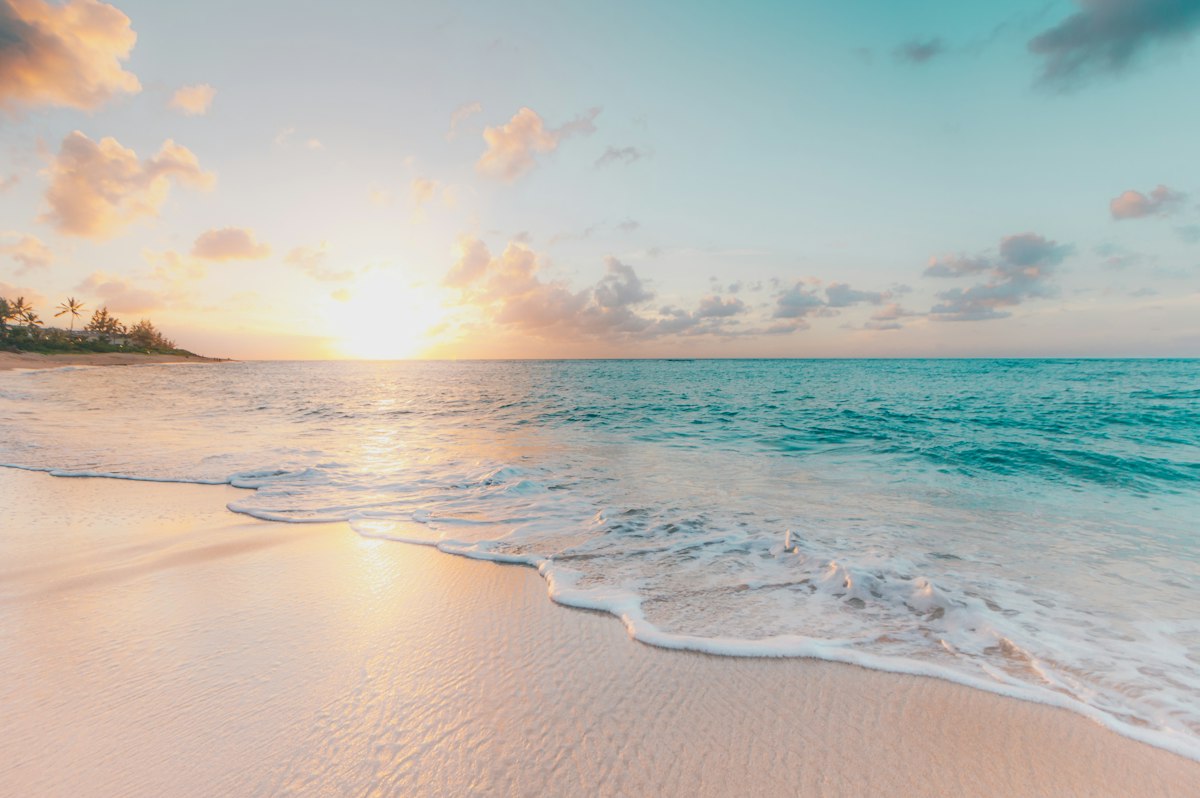
When most people picture Gibraltar, they think of the famous Rock, the Barbary macaques, or perhaps the peculiar runway that crosses the main road. What rarely comes to mind is stretching out on warm sand with the Mediterranean lapping at your feet. Yet Gibraltar has a surprisingly varied collection of beaches and swimming spots, each with its own character and charm. Whether you prefer a long sandy stretch with full facilities or a secluded rocky cove with gin-clear water, this small British Overseas Territory delivers far more coastal enjoyment than its size would suggest.
From the wide sands of Eastern Beach to the sheltered lido atmosphere of Camp Bay, here is everything you need to know about hitting the shore in Gibraltar.
Eastern Beach: Gibraltar's Flagship Sandy Shore
Eastern Beach is the longest and most popular beach in Gibraltar, running along the Mediterranean side of the isthmus that connects the Rock to mainland Spain. With around 300 metres of golden sand, it is the closest thing Gibraltar has to a classic resort beach. During summer, the beach is patrolled by lifeguards, and the water is generally calm and shallow near the shore, making it a reliable choice for families with young children.
Facilities here are well established. You will find showers, changing rooms, sun lounger hire, and a handful of beach bars serving cold drinks and light meals. The promenade behind the beach is popular with joggers and dog walkers in the early morning, and the area comes alive with barbecue smoke and music on warm weekend evenings.
One quirk of Eastern Beach is its proximity to Gibraltar International Airport. The runway sits just a short distance to the north, and you can watch planes come and go as you sunbathe. For aviation enthusiasts, this is a genuine bonus. For everyone else, it makes for excellent conversation and memorable photographs.
Getting there is straightforward. Eastern Beach is accessible on foot from the town centre in about 15 minutes, and there is limited parking along the coast road. Bus routes also serve the area.
Catalan Bay: A Fishing Village Feel
Tucked into the eastern face of the Rock, Catalan Bay is one of Gibraltar's most picturesque spots. The small, crescent-shaped beach is framed by pastel-coloured houses that give the area the look and feel of a Mediterranean fishing village, which is exactly what it once was. The Caleta Hotel used to sit at the southern end (it closed in 2021 and was demolished in 2022), and the colourful facades of the original Genoese-descended community line the waterfront.
The beach itself is a mix of sand and pebbles. The water deepens fairly quickly, so while it is fine for confident swimmers, younger children may need closer supervision here compared to Eastern Beach. During the summer months, you will find a small selection of restaurants and bars right on the beach, with fresh fish and cold beer the order of the day.
Catalan Bay has a loyal following among locals who prefer its character and relative calm to the bigger crowds at Eastern Beach. It also catches the morning sun beautifully, making it an ideal spot for an early swim before the heat of the afternoon.
Camp Bay: The Local Favourite
Ask a Gibraltarian where they go to swim, and there is a strong chance they will say Camp Bay. Located at the southern end of the Rock, this lido-style bathing area is built around a concrete platform with ladders leading down into some of the clearest water you will find anywhere on the Mediterranean coast.
Camp Bay is not a sandy beach in the traditional sense. Instead, it offers a pool-like experience with the open sea. The water here is remarkably transparent, with visibility that can reach several metres on a calm day. It is a favourite with snorkellers, and you may spot wrasse, bream, and the occasional octopus among the rocks.
The facilities are simple but effective: a popular bar and restaurant, showers, toilets, and plenty of flat space for laying out towels. The atmosphere is relaxed and sociable, with regulars greeting each other by name. On weekends and public holidays during summer, it can get busy, so arriving early is a good strategy.
Camp Bay also hosts occasional events, including open-water swimming races and community gatherings. The sunsets from here, looking west across the Strait of Gibraltar toward Morocco, are genuinely spectacular.
Little Bay: The Quiet Neighbour
Immediately adjacent to Camp Bay, Little Bay offers a more secluded alternative for those who prefer fewer people. Access involves a short walk and some rocky terrain, so sturdy footwear is recommended until you reach the water's edge. Once there, you are rewarded with a peaceful swimming spot that feels a world away from the busier beaches.
The water at Little Bay is just as clear as at Camp Bay, and the rocky seabed makes it excellent for snorkelling. There are no formal facilities here, so bring everything you need, including water, snacks, and sun protection. This is a spot for people who enjoy a slightly more adventurous beach experience.
It is worth noting that Little Bay can be affected by swell, so check conditions before you go. On calm days, however, it is one of Gibraltar's hidden treasures.
Western Beach: Runway Views and Spanish Sunsets
Western Beach sits on the opposite side of the isthmus from Eastern Beach, facing the Bay of Gibraltar and the Spanish coastline. It is the beach closest to the land border with Spain, making it a convenient stop if you are arriving on foot from La Linea de la Concepcion. If you are exploring across the border, the beaches and seafront of La Linea offer a different atmosphere worth experiencing, as covered in this guide to things to do in La Linea.
The beach is sandy and reasonably wide, though it is not as well maintained as Eastern Beach. It does, however, offer front-row seats to the airport runway, and watching aircraft take off and land from just metres away is an experience in itself. The sunsets over the bay and the hills of Andalusia can be stunning.
Facilities are more limited on this side, so bring your own refreshments. The beach is easily reached from the town centre or from the border crossing.
Sandy Bay: The Artificial Addition
Sandy Bay is a man-made beach located just south of Catalan Bay on the eastern side of the Rock. Created by importing sand, it provides a small but pleasant stretch of shore in an area otherwise dominated by rocks. A breakwater helps to keep the water calm, making it a decent option for families.
The beach connects to the Catalan Bay area, so you can easily walk between the two. Sandy Bay tends to be quieter than its neighbour, especially on weekdays. There is a small beach bar and basic facilities.
While Sandy Bay may lack the natural character of some other spots on this list, it fills a gap on the eastern coast and is a perfectly enjoyable place to spend a few hours in the sun.
Water Sports and Activities
Gibraltar's beaches are not just for lounging. The calm Mediterranean waters and steady winds create good conditions for a range of water-based activities. If you enjoy an active day by the sea, you will find plenty to keep you occupied.
Paddleboarding has grown hugely popular in recent years, and several operators hire out boards by the hour, usually from Eastern Beach or Catalan Bay. The waters on the eastern side are typically sheltered enough for beginners, while more experienced paddlers can explore further along the coast.
Kayaking is another excellent way to see Gibraltar from the water. Guided kayak tours often take you along the base of the Rock's eastern cliffs, where you can peer into sea caves and spot marine life below. Some tours combine kayaking with snorkelling stops.
Jet skiing is available during the summer months, with hire services operating from Eastern Beach. The waters around Gibraltar are shared with commercial shipping heading through the Strait, so operators stick to designated zones close to shore.
Snorkelling and diving are rewarding activities here, particularly around Camp Bay, Little Bay, and the rocky stretches south of Catalan Bay. The marine biodiversity is surprisingly rich, with Mediterranean reef fish, moray eels, and cuttlefish all regularly spotted. Several dive operators in Gibraltar offer courses and guided dives for all experience levels.
For more ideas on how to fill your days in and around the territory, take a look at this guide to the top things to do in Gibraltar, which covers everything from the cable car to dolphin-watching boat trips.
Practical Tips for Beach Days in Gibraltar
Planning ahead will help you get the most out of your beach time in Gibraltar. Here are the essentials.
Best time to visit: The beach season runs from roughly May to October. July and August are the hottest months, with air temperatures regularly exceeding 30 degrees Celsius. June and September offer a good balance of warmth and fewer crowds. Even in late April and early October, the sun can be strong enough for a comfortable swim.
Water temperature: The Mediterranean around Gibraltar is influenced by Atlantic currents flowing through the Strait. Water temperatures range from about 16 degrees Celsius in winter to around 23 or 24 degrees in August. The Levante wind (a warm easterly) can occasionally push warmer surface water toward the eastern beaches.
Sun safety: Gibraltar sits at latitude 36 degrees north, and the UV index is high throughout summer. Apply high-factor sunscreen liberally and reapply after swimming. A hat and sunglasses are essential, and seeking shade during the midday hours (roughly 12pm to 3pm) is strongly recommended, especially for children.
What to bring: A good pair of water shoes is useful for rocky beaches like Camp Bay and Little Bay. Bring a reusable water bottle, as tap water in Gibraltar is safe to drink. A snorkel and mask are worth packing if you have them, as the water clarity at several beaches is excellent.
Food and drink: Eastern Beach and Camp Bay have reliable on-site food and drink options. For other beaches, pack a cooler with sandwiches, fruit, and plenty of water. There are supermarkets and shops in the town centre where you can stock up before heading out.
Getting Around: Accessing Gibraltar's Beaches
Gibraltar is compact, measuring just over six square kilometres in total. This works in your favour when beach-hopping, as no two beaches are far apart. Here is a quick guide to getting around.
On foot: The town centre to Eastern Beach is about a 15-minute walk. Catalan Bay is roughly a 25-minute walk from the town centre, though the route involves some uphill sections through the tunnels that cut through the Rock. Camp Bay and Little Bay are at the southern end and take around 20 minutes to reach on foot from the centre.
By bus: Gibraltar has a reliable and inexpensive bus service. Route 2 serves the eastern beaches including Eastern Beach and Catalan Bay. Route 3 heads south toward Camp Bay. Buses run frequently during summer.
By car: Driving is possible but parking can be challenging, especially in summer. There is limited roadside parking near Eastern Beach and Catalan Bay. Camp Bay has a small car park that fills up quickly on busy days. If you are visiting from Spain, be aware that queues at the border can add significant time, particularly during peak periods.
By taxi: Taxis are readily available from the town centre and can drop you at any beach. They are metered and reasonably priced given the short distances involved.
Gibraltar's beaches may not be the first reason people visit, but they quickly become a highlight of any trip. Whether you spend your day on the wide sands of Eastern Beach, explore the underwater world at Camp Bay, or simply enjoy a cold drink with your feet in the water at Catalan Bay, the coast of the Rock has plenty to offer. The combination of Mediterranean warmth, clean water, and dramatic scenery makes for a beach experience that punches well above its weight.
Written by Ethan Roworth